1


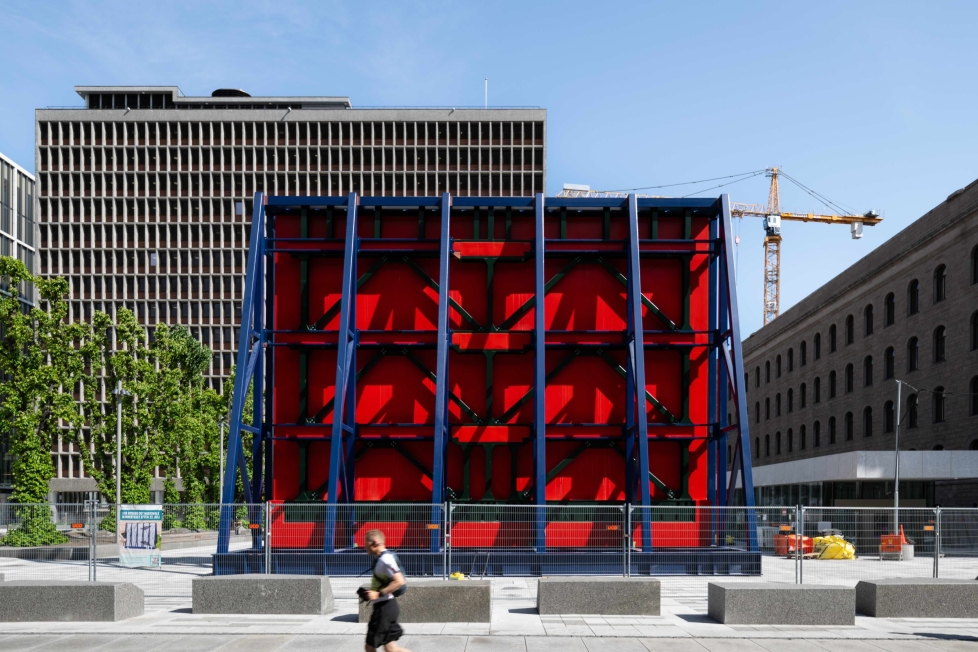
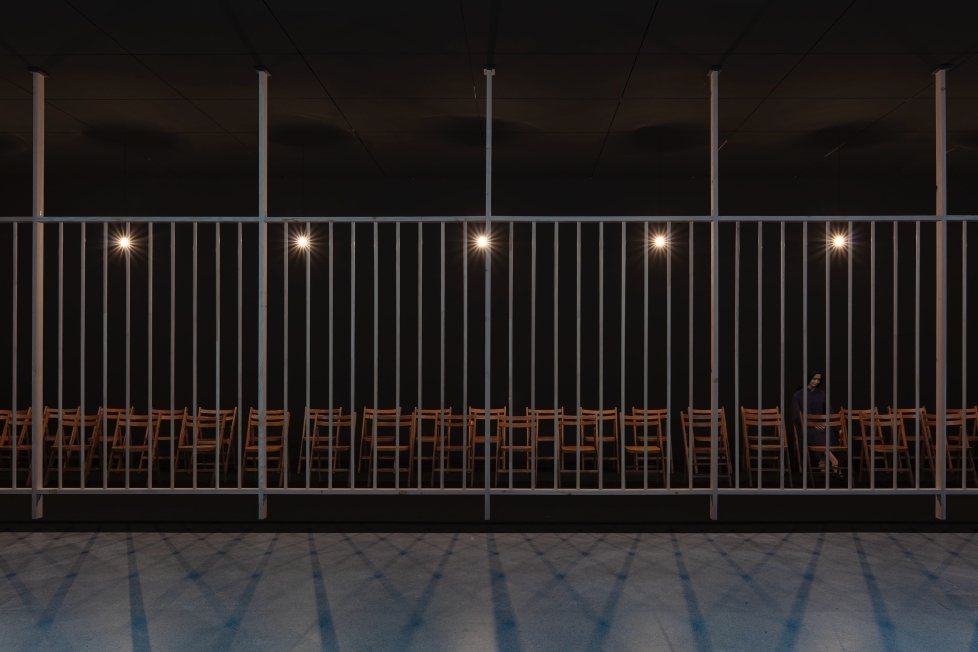
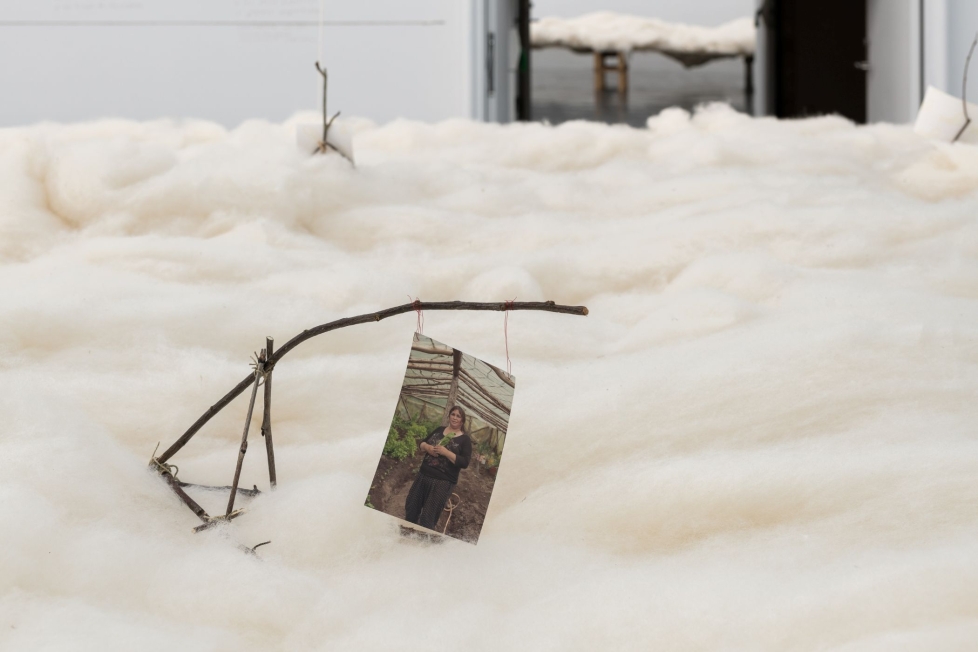

The main exhibition at the 61st Venice Biennale is a spiritualist séance with no spirits present.
Many of the pavilions at the 61st Venice Biennale manage to transcend the outdated structure of national representation.
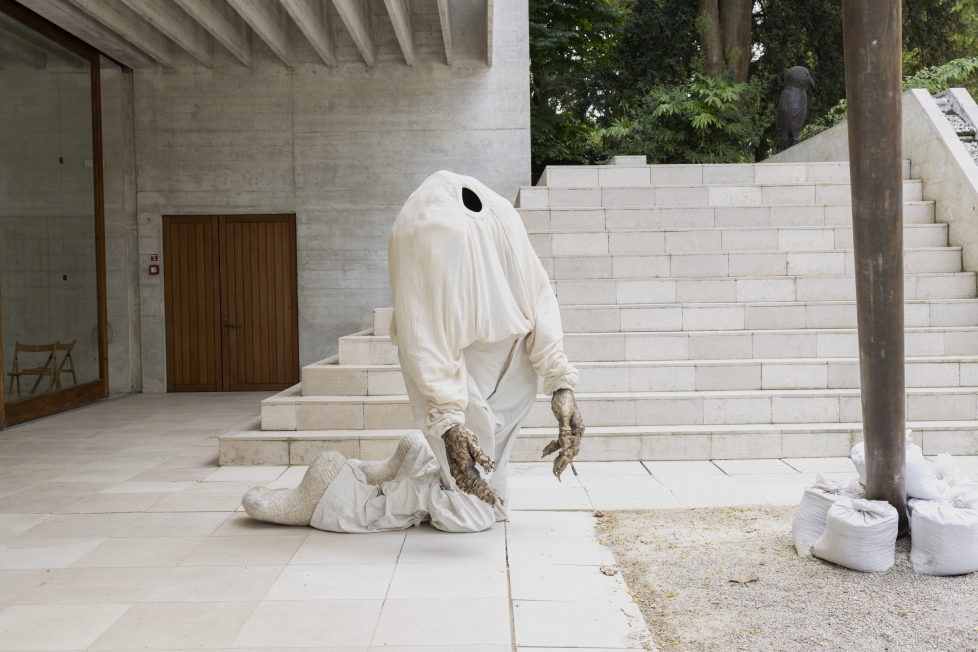
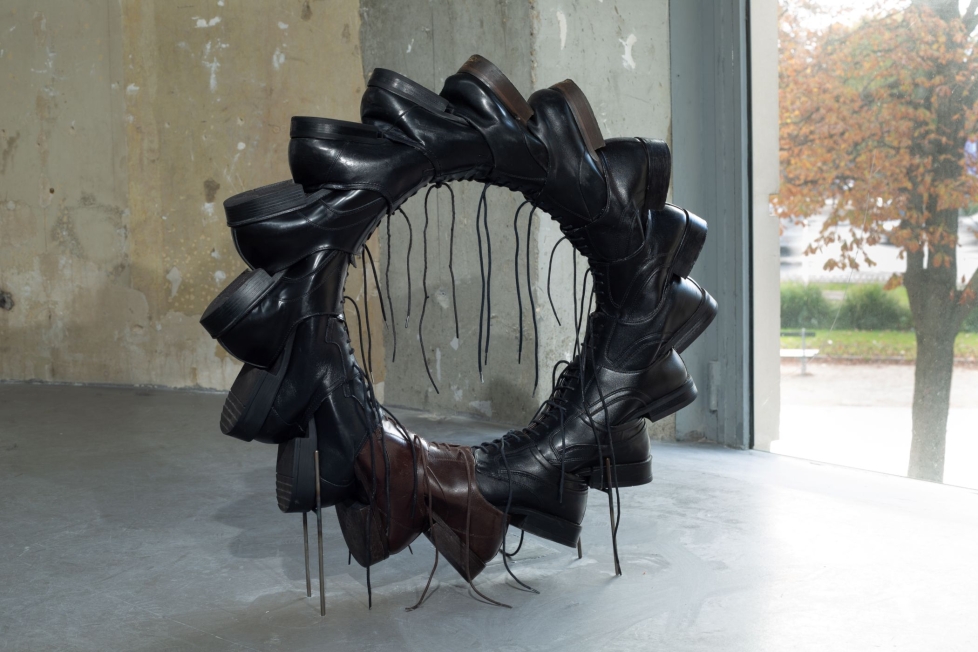
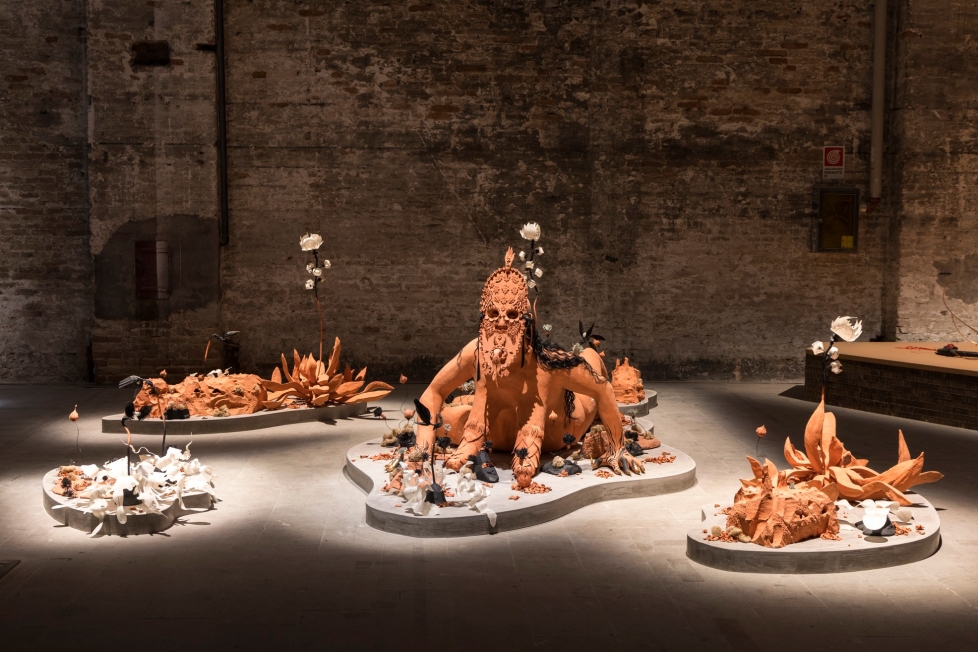
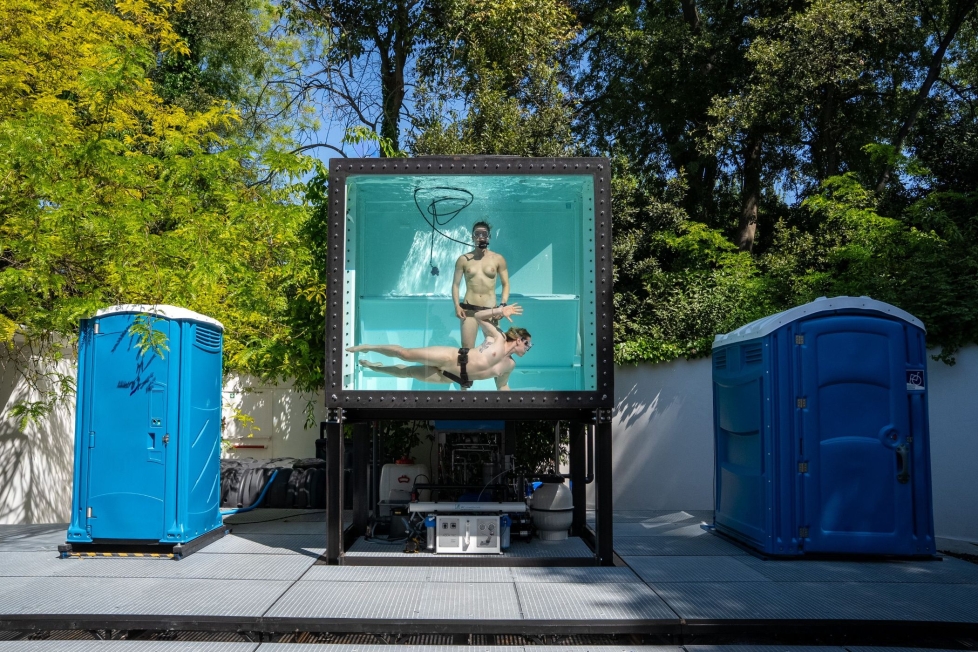
Transgressive creatures in the Nordic Pavilion.
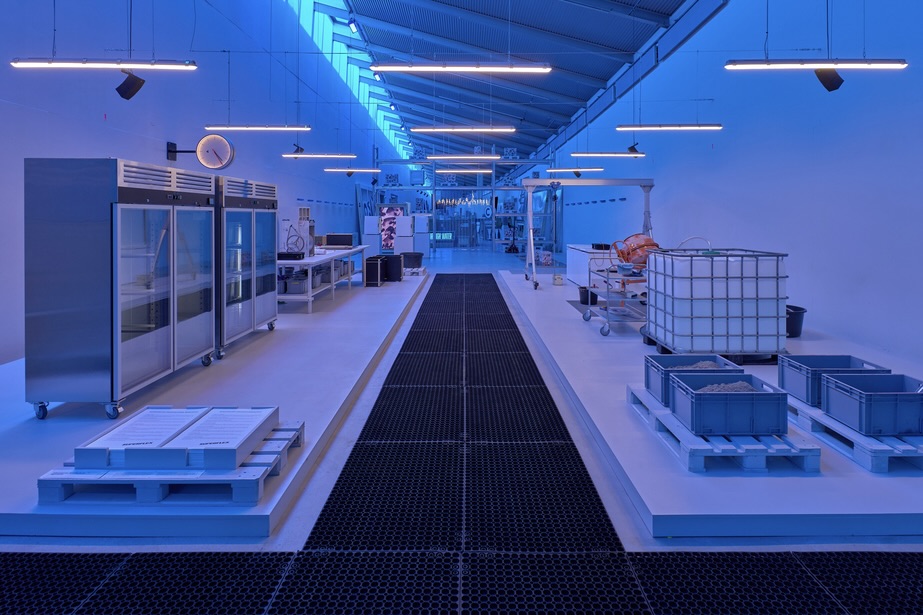
At the Danish Pavilion in Venice, the fertility crisis is displaced by an avalanche of sleek Scandinavian smut.
Strong reactions from European leaders to Russia’s participation in this year’s biennial. Danish minister open to boicott.
Tori Wrånes, Klara Kristalova, and Benjamin Orlow will exhibit together at the 61st Venice Biennale in 2026.
The Arts and Culture Magazine Publishers Forum announces an open call for a writer to join a research trip to Reykjavík.
Transgressive creatures in the Nordic Pavilion.
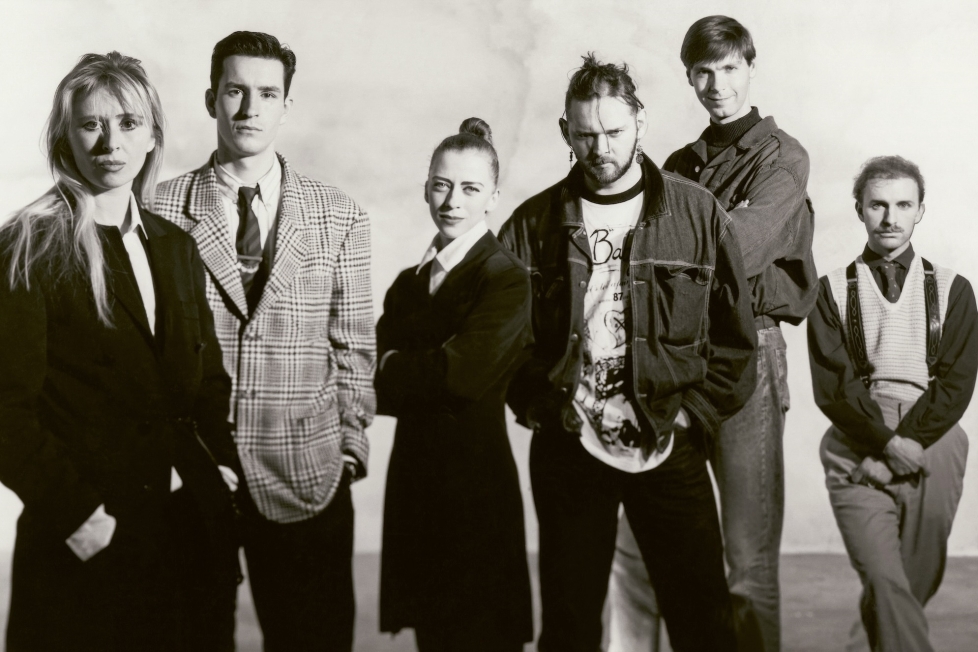
Nordic nostalgia and a fraught sponsorship collaboration at Market Art Fair in Stockholm.
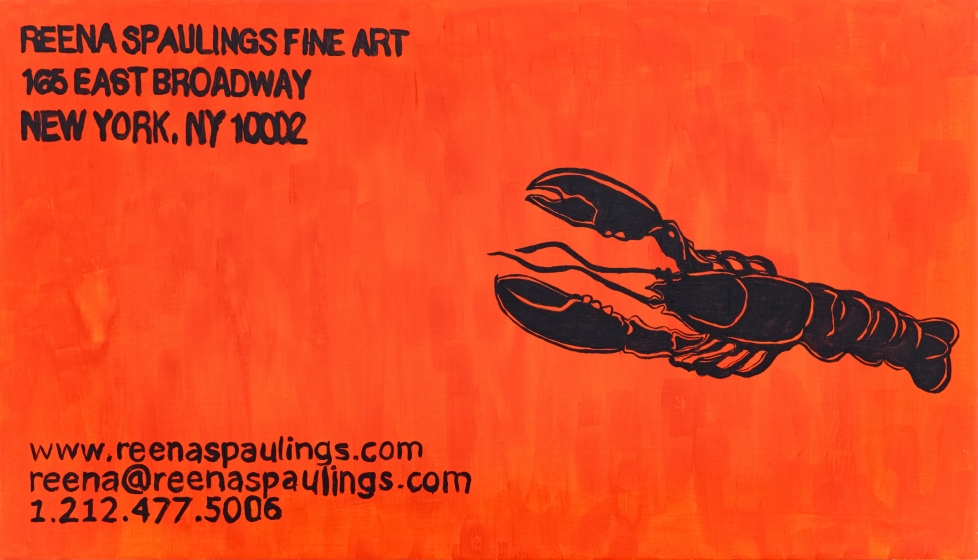
What does it mean to be important in the art world? Marie Karlberg’s Stockholm show answers the question, one oversized business card at a time.
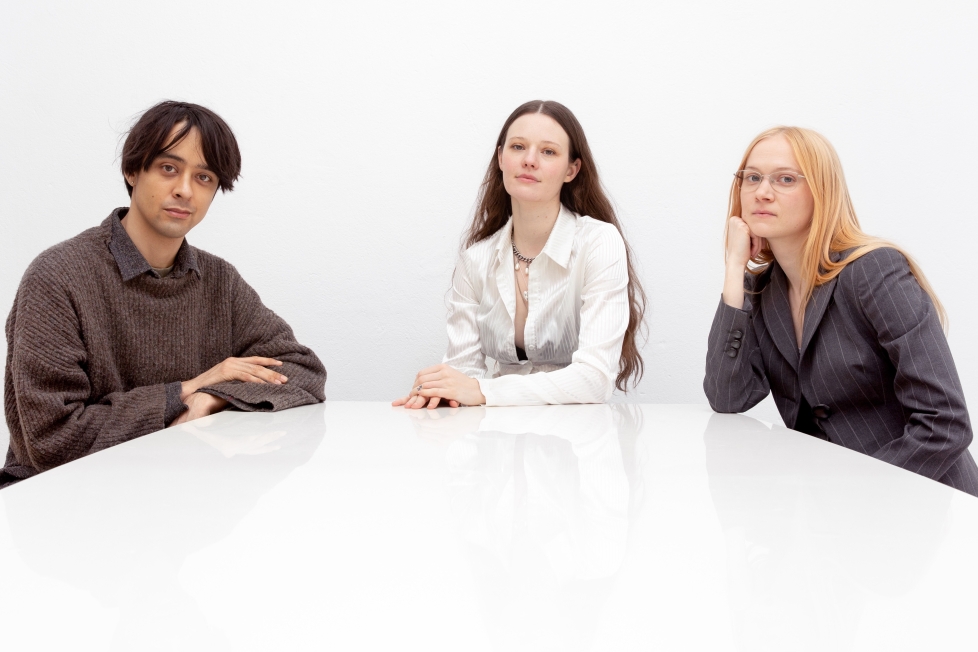
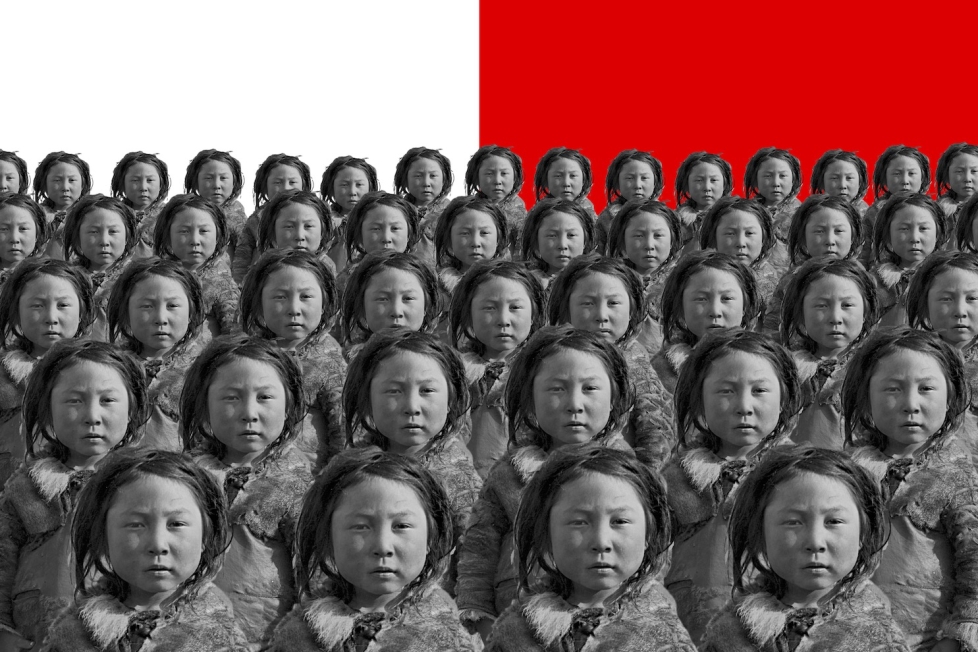
Synnøve Persen’s landscapes imagine the Arctic beyond the tourist sublime.
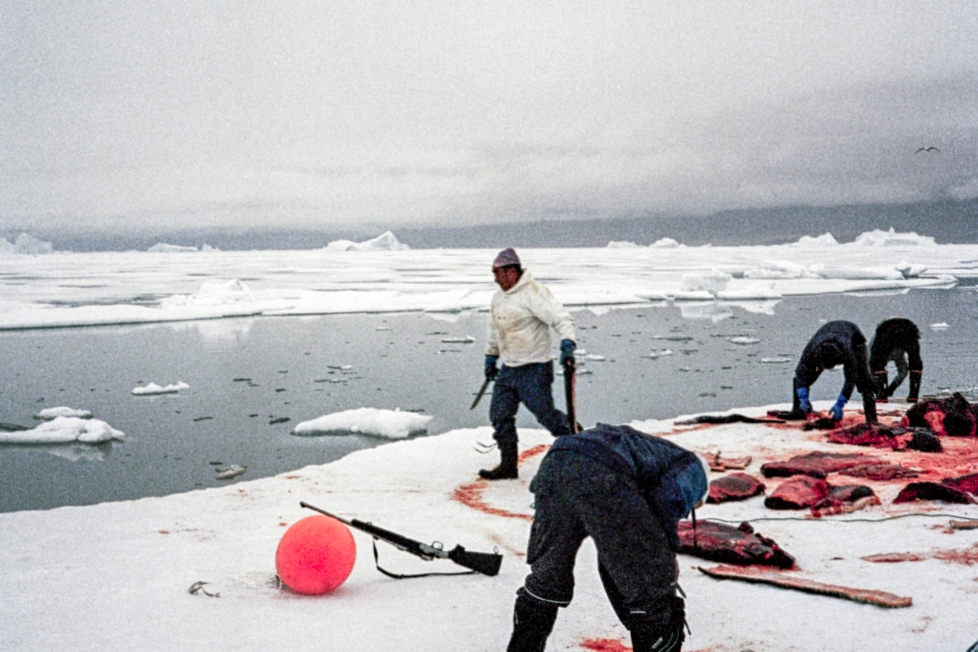
Inuuteq Storch captures the life-or-death struggle between indigenous identity and its image.
Greenland’s art scene has arrived. Shamans assist the curators, and the world’s first-ever national gallery devoted to the art of an Indigenous People is taking shape in Nuuk.
At last, Greenland’s largest cultural event is about the art and survival of Indigenous Peoples.
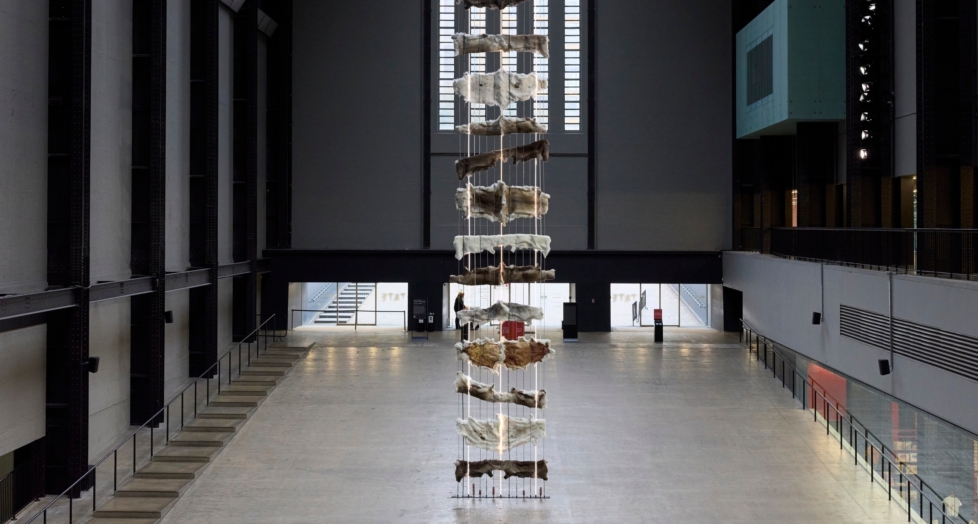
Does Tate’s Turbine Hall have room for anything other than monumental one-liners? Máret Ánne Sara gives it a try.
What is worth going to war for? ask Inuk Silis Høegh and Asmund Havsteen-Mikkelsen in a 2004 work that is now more topical than ever.

Curator and researcher Antonio Somaini thinks artists are essential for understanding what AI is doing to culture.
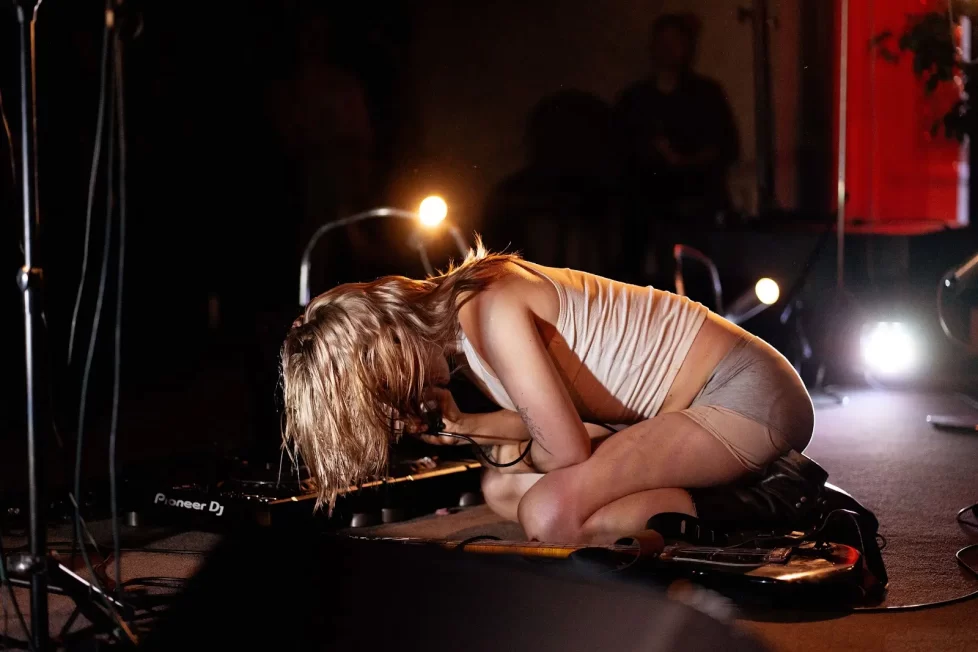
Madeleine Andersson, Arvida Byström, and Tobias Bradford on embodiment and identity in the age of AI.
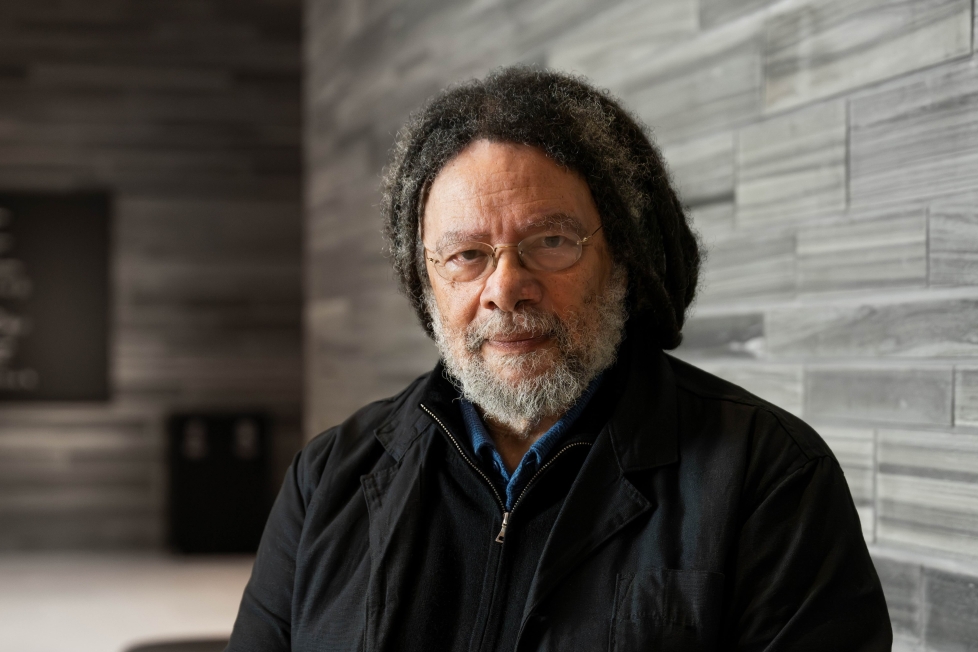
Cultural theorist Paul Gilroy argues that today’s diasporic networks demand a new vocabulary.
‘Sexuality has been fundamental to technological development’, says artist Mindy Seu.
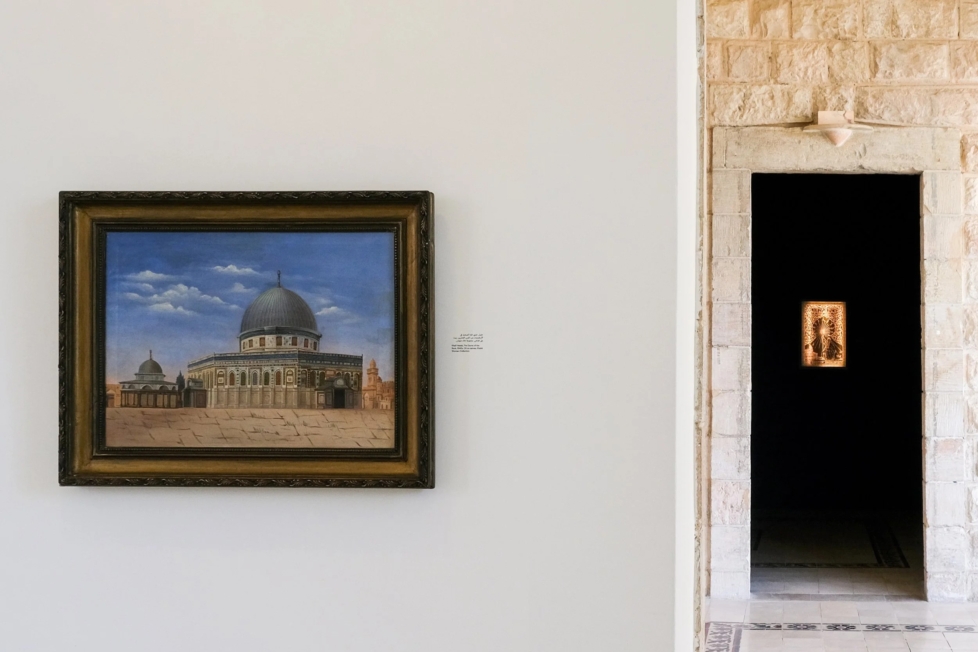
Architect, historian, and curator Nadi Abusaada visits Oslo to give a lecture on Palestinian art before the Nakba.
‘For Indigenous people it can be a little scary to think about erasure and removal when talking about monuments’, says collective New Red Order.
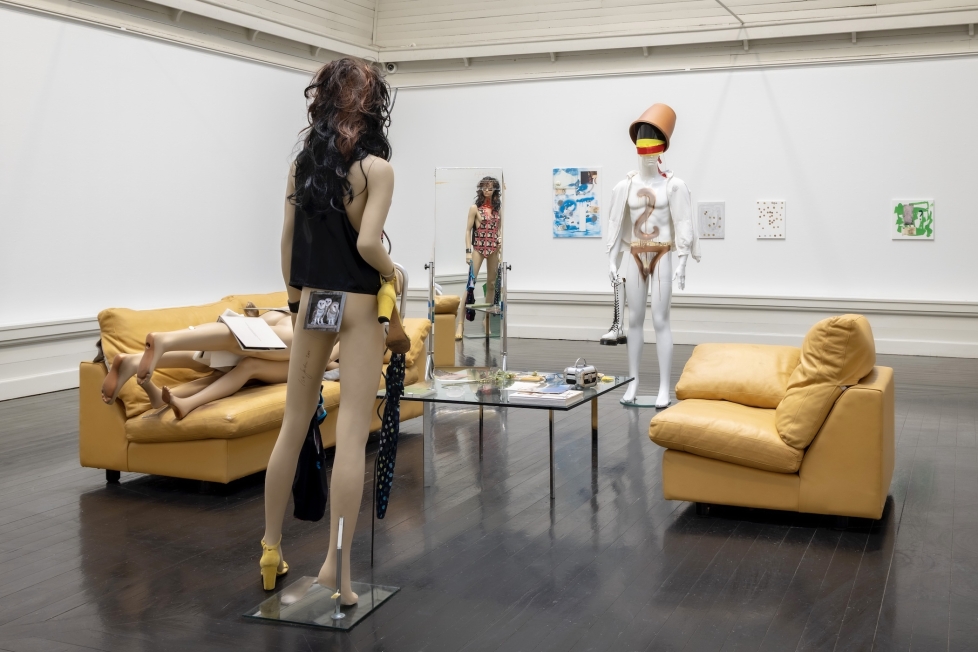
A glossy promise hovers just beyond the frame at the artist-run space Antics in Stockholm.
Malmö Konsthall’s retrospective feels like falling into someone’s cryptic notebook.
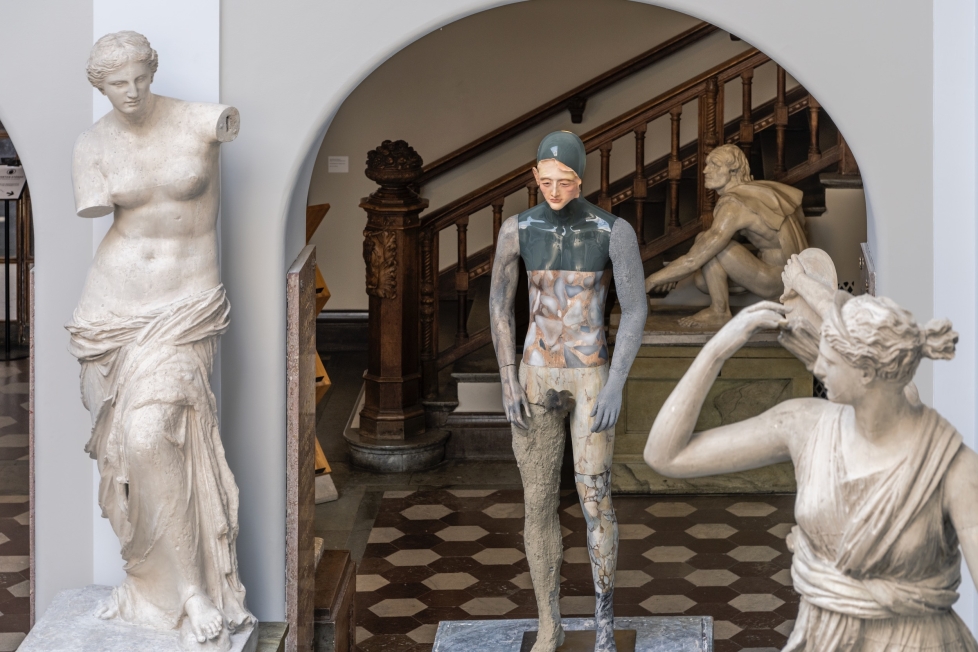
The major museums in the Nordics are reaching out to expand their audiences like never before. But who is keeping contemporary art and history alive?
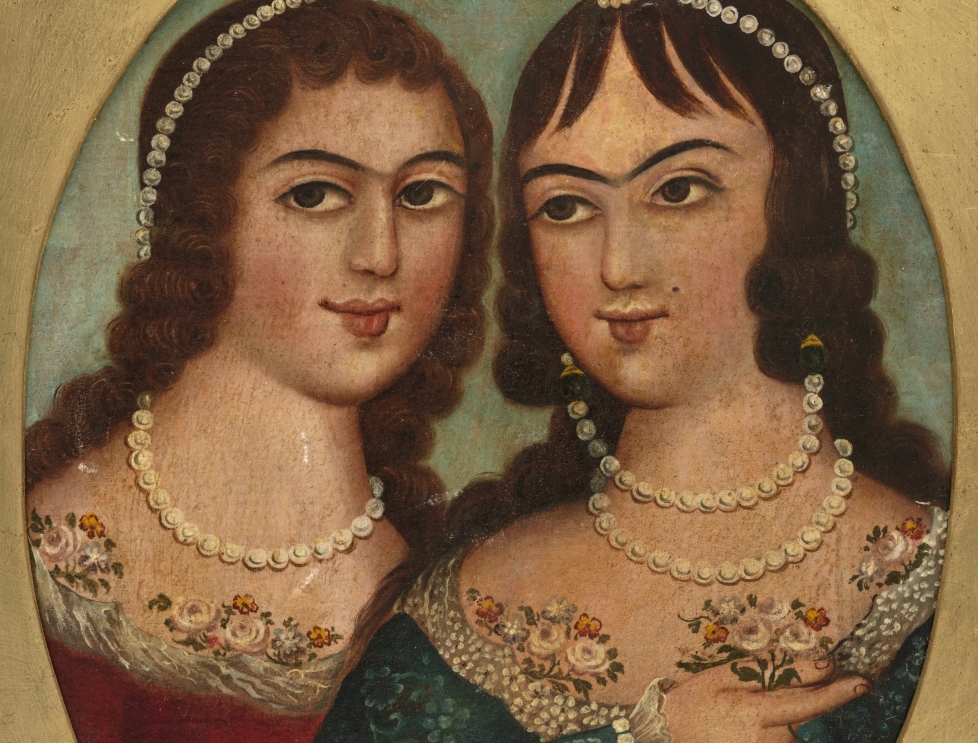
A new book by artist Afrang Nordlöf Malekian and art historian Nour Helou explores beauty as a geopolitical force, from the Iranian Qajar dynasty into the present.
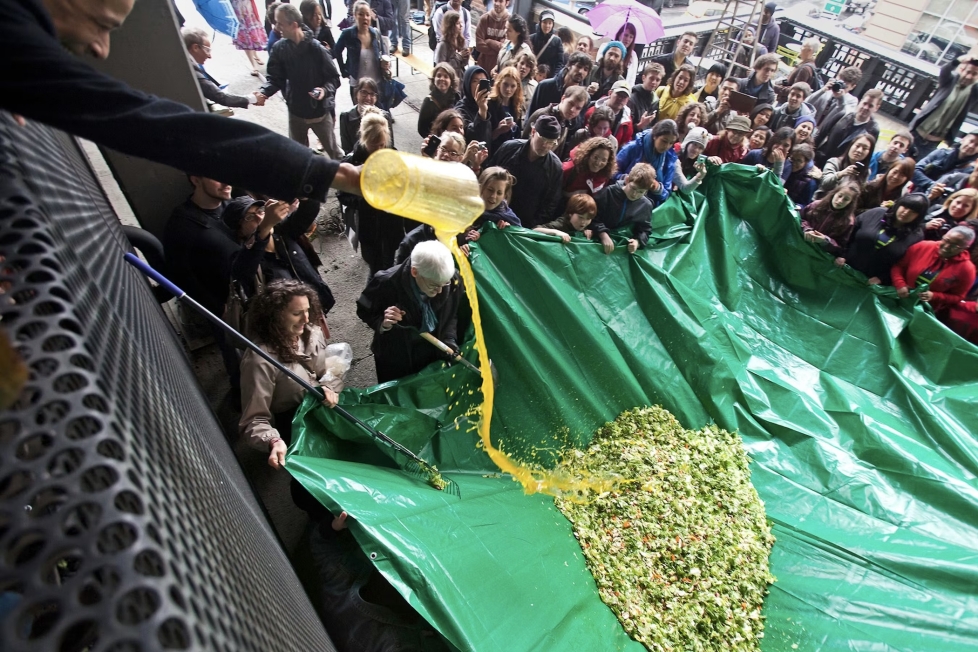
The Swedish spring is marked by aesthetic confidence and structural uncertainty.
This spring the Norwegian art scene is bursting with sci-fi, political vision, and largest-ever presentations of female artists.
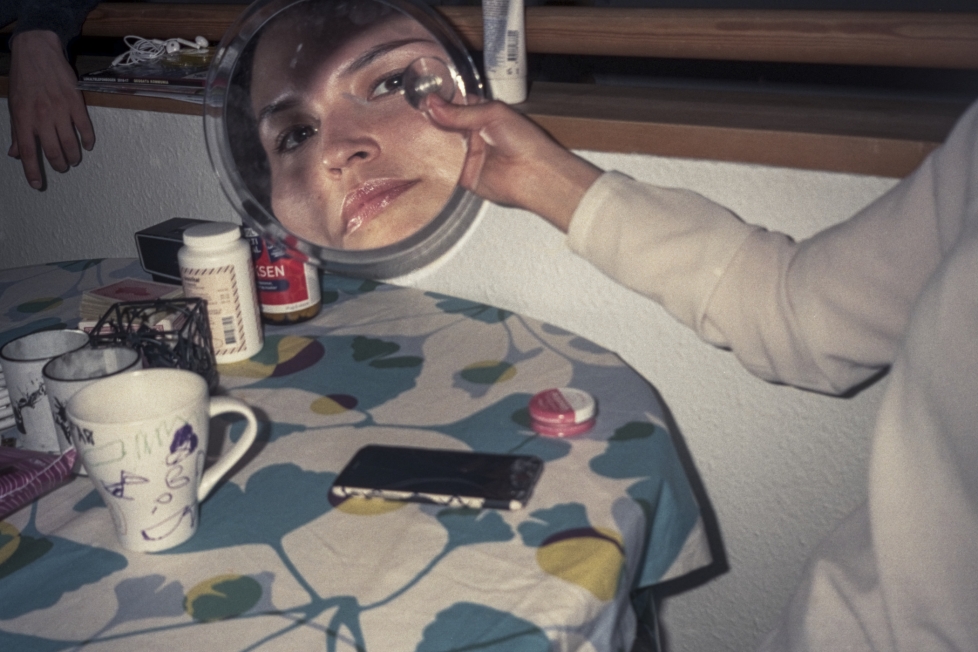
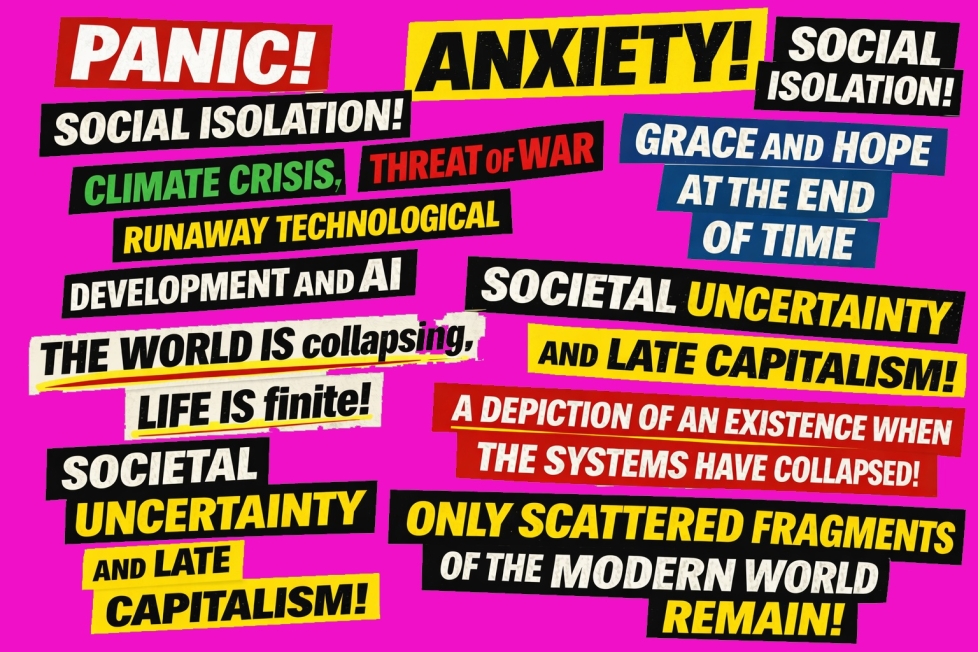
Contemporary art’s rhetoric of doom has become a comfortable cliché, as the scramble for relevance turns resistance into a risk-free, legible aesthetic.
The major museums in the Nordics are reaching out to expand their audiences like never before. But who is keeping contemporary art and history alive?
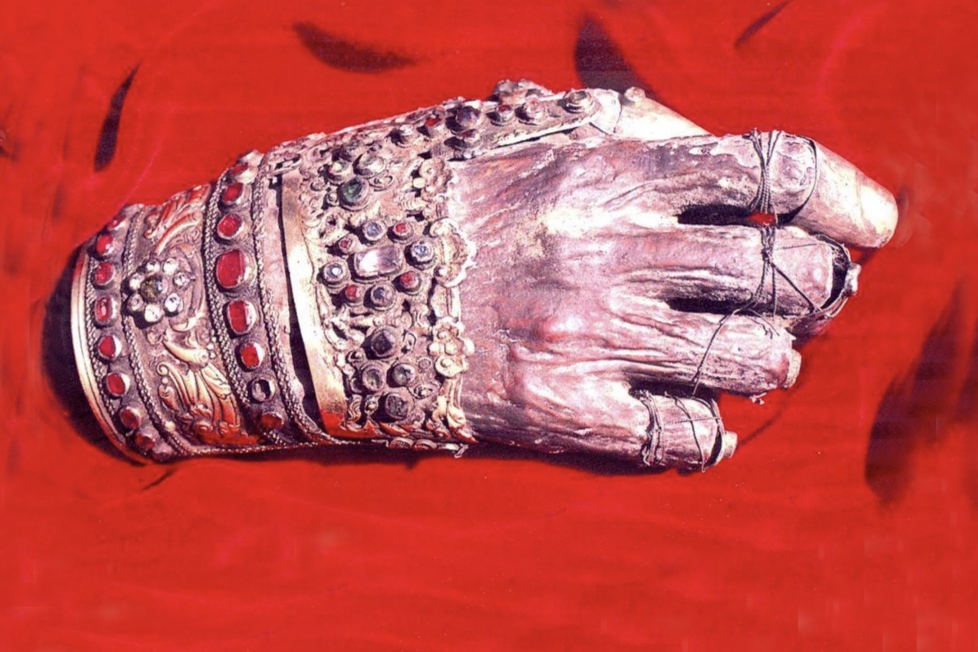
How do we hold onto what is materially sacred in a time that worships the cloud?
Pure hypocrisy: Denmark’s Minister for Culture praises art and culture in the fight against AI while the budget for the National Collection of Photography is slashed.
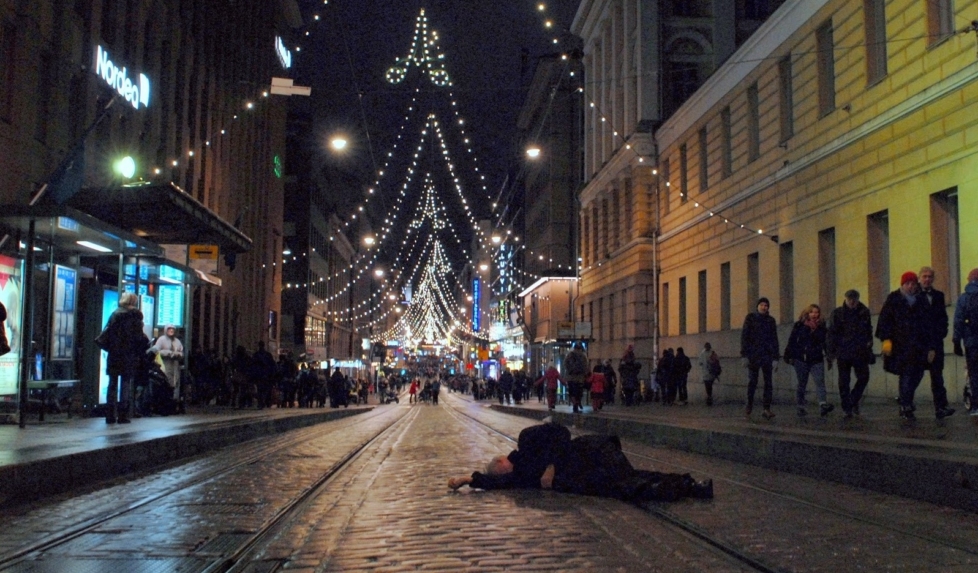
Will poverty save us? A dispatch from Helsinki.
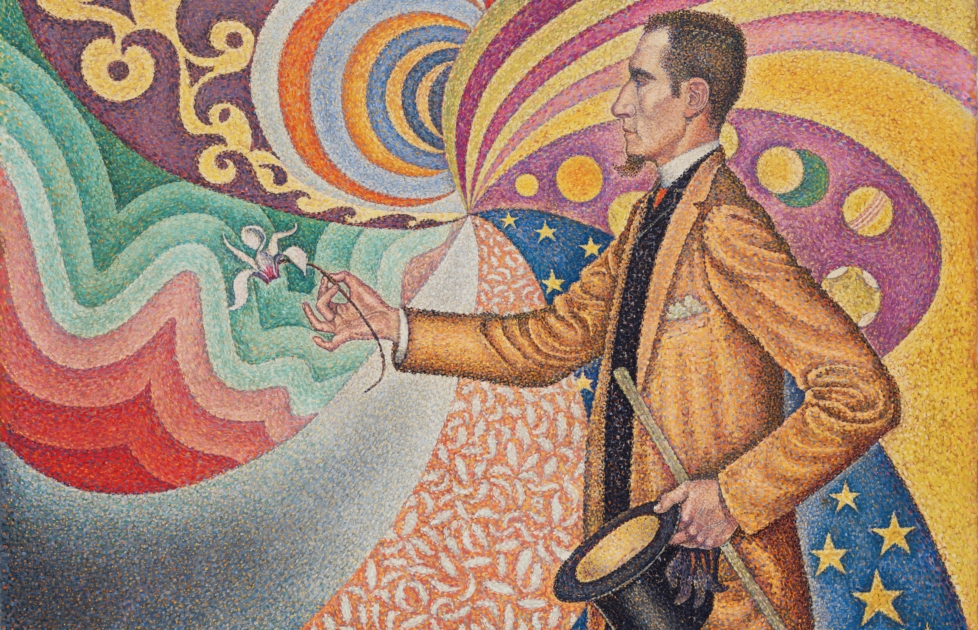
With the birth of the dealer-critic-system in 1870s France, criticism shifted its focus from the artwork to the artist. It’s been all downhill from there.
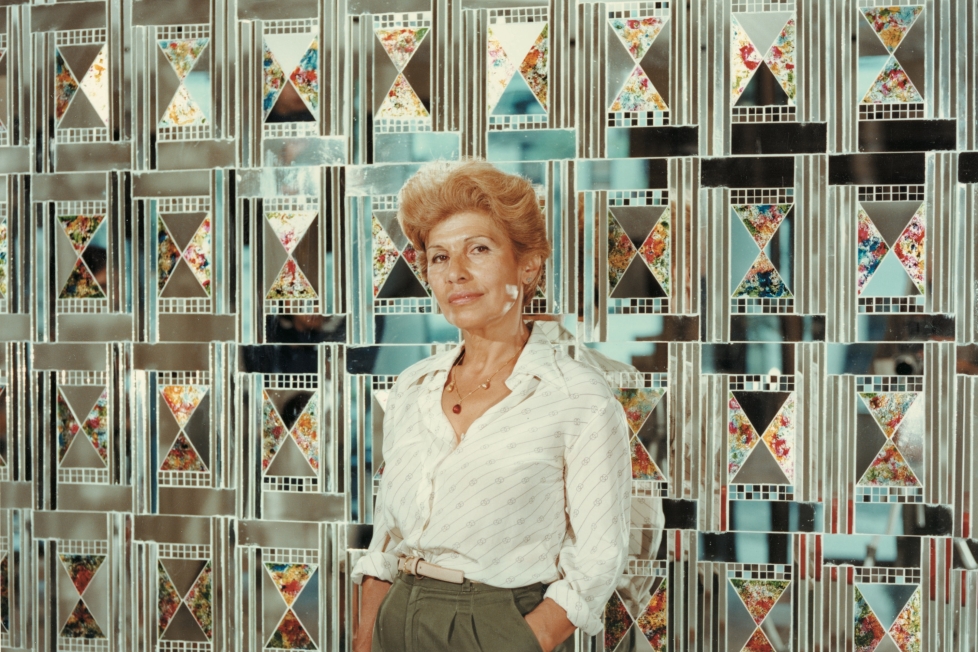
Monir Shahroudy Farmanfarmaian seduces the eye and keeps the mind guessing.
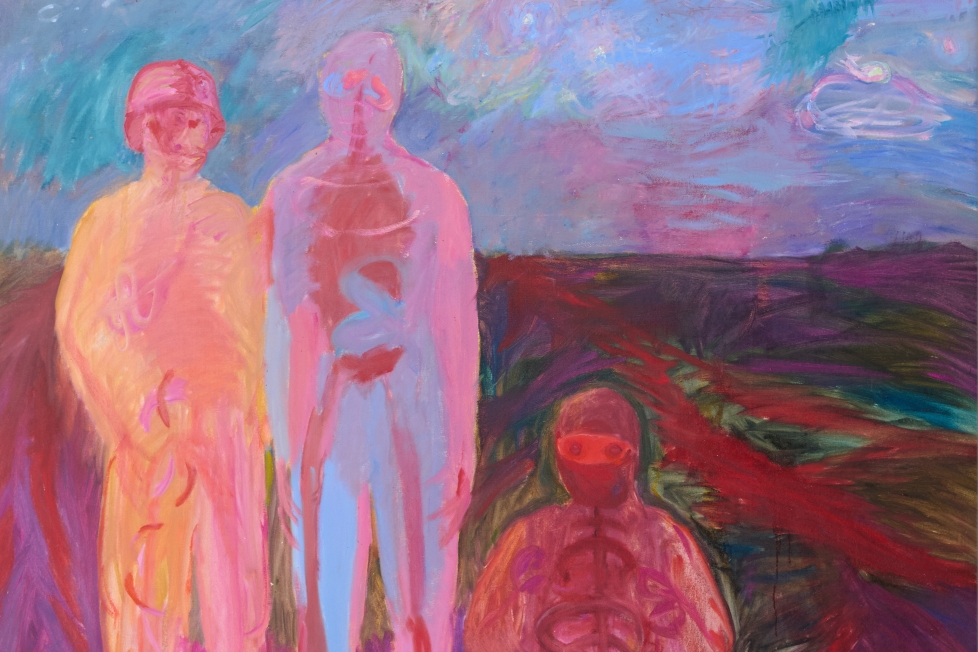
Kateryna Lysovenko turns violence into tenderness.
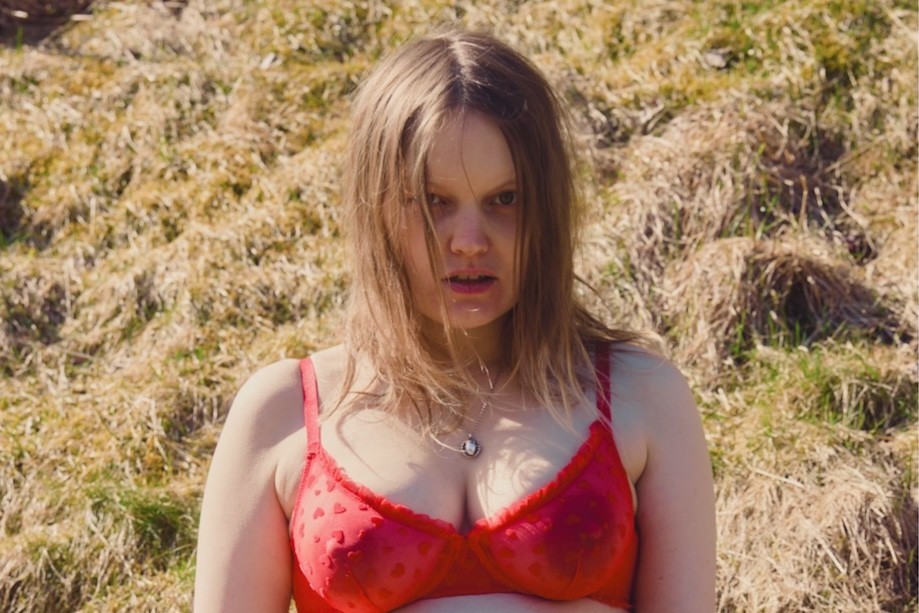
Maria Pasenau is raw, in every sense of the word.
Five great works in and around Copenhagen right now.